

Diwali, often called the “Festival of Lights,” is one of the most widely celebrated holidays in India and around the world. This vibrant and blinding festival symbolizes the victory of light over darkness and good over evil, bringing together families, friends, and communities in the spirit of joy and renewal.
This year Diwali fell on Oct. 20, 2025 and celebrations filled homes and streets with glowing lamps, colorful decorations, the scent of delicious sweets, and fireworks. The word Diwali comes from the term deepavali meaning “a row of lights.” Traditionally, people light diyas and small oil lamps, to honor the return of Rama to his kingdom after defeating the demon king Ravana, as told in the Hindu epic “The Ramayana.”
Beyond its religious roots, Diwali has become a cultural celebration that welcomes people of all backgrounds. Families clean and decorate their homes, wear new clothes, exchange gifts and share meals with loved ones. Many neighborhoods also like fireworks and display colorful Rangoli art at their doorsteps to welcome good fortune and positivity. Rangoli art is made by colored rice, flour, and sand. Most of the time they show flowers and adorn the door step of homes.
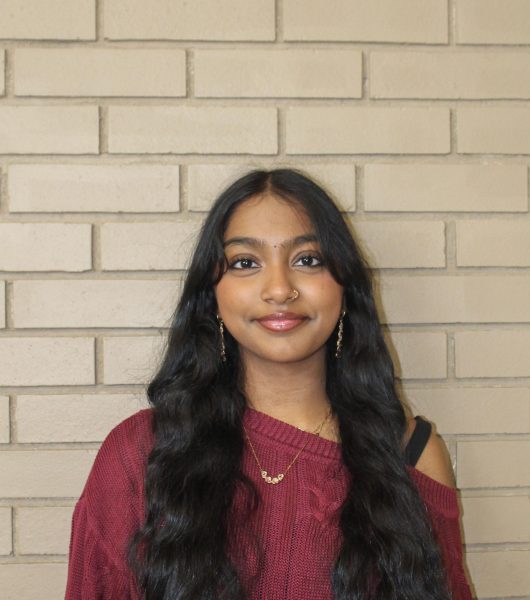
Senior Anvitha Banda, tells us how she spent her Diwali. “I had family friends over, and then we did fireworks, had food and hung out.” Similarly, Kripa Patel enjoyed “having dinner with her family and lighting fireworks”. Sia Shah, who was just as excited as the other two girls, enjoyed, “dinner and spending time with loved ones during the festivities.”
Diwali’s magic lies not only in its lights and festivities, but in the warmth it brings to hearts and homes. Whether through ancient traditions or modern gatherings, the holiday continues to inspire joy, reflection, and connections. As Hillsborough students like Anvitha celebrated with loved ones, Diwali reminds us all to pause, recharge and embrace the light.